Baby Gemoy: A Playful Bubble Font for Charming Designs
There's a certain magic in a typeface that can make someone smile before they've even read the full word. It's that immediate, visceral reaction—the feeling of warmth, friendliness, and approachability. That's the kind of instant connection a well-crafted playful font can create, setting the tone for your entire project from the very first glance.
Understanding the Visual Personality of This Typeface
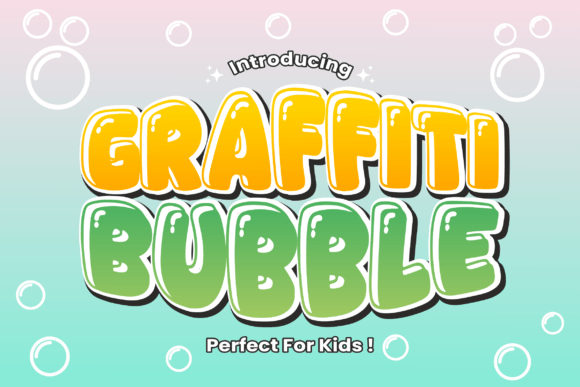
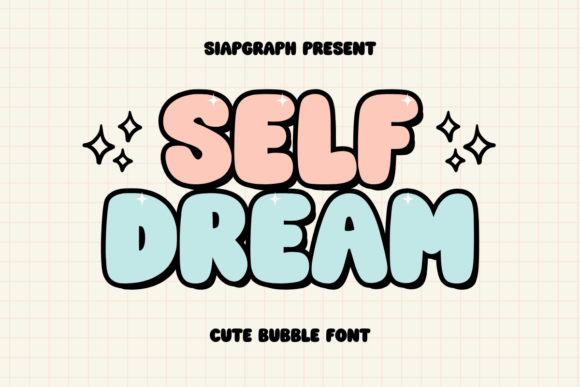
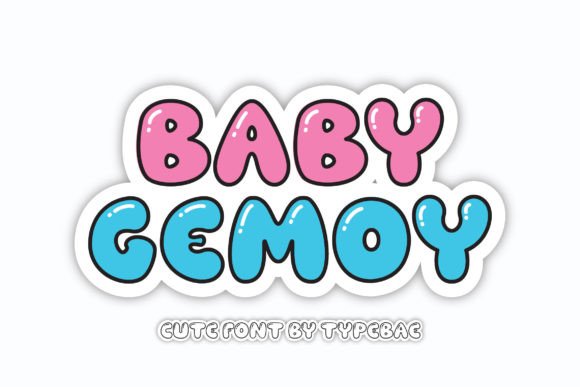
At its heart, Baby Gemoy is a delightfully cute bubble font characterized by its soft, rounded letterforms and cheerful demeanor. Imagine the gentle curves of a child's drawing or the satisfying shape of a perfectly inflated bubble. This font captures that essence, delivering a sense of innocence and joy. Its design avoids sharp edges, opting instead for smooth, continuous strokes that feel welcoming and friendly. This isn't a font for stern legal documents or ultra-serious corporate reports. Its strength lies in its ability to inject personality and approachability into any visual communication.
The true versatility of this creative font comes from its six distinct styles. These aren't just minor weight variations; they offer a spectrum of expression. You might find a standard regular style for clean body text, a bold for impactful headlines, an italic for emphasis, and perhaps a special outline or filled variant that adds depth and visual interest. Having these options within a single typeface family is a practical design asset. It allows you to maintain visual consistency across a brand while still creating hierarchy and focus in your layouts. You can craft a headline with the bold style and pair it with the regular for supporting text, knowing they are designed to work in harmony.
Practical Applications Across Creative Projects
So, where does a font like this truly shine? Its playful charm makes it incredibly adaptable for a wide range of projects where a human, approachable feel is desired.
For branding and logo design, especially for businesses targeting families, children, pets, food, or lifestyle services, this typeface can become the cornerstone of a brand identity. A bakery, a daycare center, a toy store, or a friendly local café could use it to communicate warmth and trustworthiness right in their logo. It’s a typeface that says, “We’re easy to talk to.”
Move into the realm of packaging design, and its utility becomes even clearer. Product labels for organic baby food, artisanal snacks, or craft supplies benefit immensely from a font that feels handmade and honest. The rounded characters are easy to read at a glance on a busy shelf, helping your product stand out with a friendly face.
In the digital space, this font is a powerhouse for social media graphics and web design. Instagram stories, Facebook posts, YouTube thumbnails, and website headers designed with this typeface immediately convey a fun, engaging tone. It’s perfect for announcements, quotes, calls-to-action, and any text overlay on images or videos where you need to grab attention quickly without feeling aggressive. For blogs focused on parenting, crafts, or lifestyle, using it for subheadings or pull quotes can break up text and add a visual delight that keeps readers scrolling.
Don't overlook print materials and merchandise. Think about invitations for a child's birthday party, a community fair, or a baby shower. The font’s inherent cheerfulness sets the perfect mood. It’s equally effective on posters, flyers, and thank-you cards. For entrepreneurs creating merchandise—like t-shirts, tote bags, or mugs—a playful bubble font can create designs that people love to wear and use, simply because they make them feel good.
Even in editorial layouts for magazines or digital products like planners, worksheets, and e-books, a touch of this font style can soften the presentation and make information feel more accessible. Marketing assets such as email headers, sale banners, and digital ads can leverage its eye-catching qualities to improve click-through rates and audience engagement.
Making It Work: Pairing and Practical Tips
Introducing a strong personality font into your work requires a bit of strategy to ensure it enhances, rather than overwhelms, your message. Here’s how to use it effectively.
Choosing the right style is your first step. Review the six included options carefully. Is your goal a bold, attention-grabbing headline? Or a softer, secondary text element? The outline style might be perfect for a logo mark, while the filled bold is ideal for a poster title. Let the project's goal guide your selection.
Font pairing is where the real design magic happens. A playful display font like this one needs a partner that provides balance and ensures readability for longer text. The most common and effective pairing is with a clean, neutral sans serif font. Think of fonts like Open Sans, Lato, or Montserrat for your body copy or supporting information. The sans serif provides a calm, readable foundation that lets the playful headlines pop without creating visual chaos. For a different feel, you could pair it with a simple serif font for a touch of classic contrast, though this is a more advanced pairing that requires careful testing.
Always prioritize readability. While the font is designed to be clear, its decorative nature means it’s best used for headlines, logos, and short phrases rather than paragraphs of body text. Test it at the actual size it will be viewed. A font that looks charming on your large monitor might become illegible when reduced for a mobile screen or a small product label. Print a test copy if you’re designing for physical materials.
Commercial licensing is a crucial, practical consideration. If you plan to use this font for client work, merchandise for sale, or any project that generates revenue, you must ensure you have the correct license. Most premium fonts, including quality creative fonts like this one, come with specific terms. A standard desktop license might cover use in logos and printed materials, while a separate web font license is often required for using it on websites. Always read the license agreement provided by the font creator or foundry to avoid legal issues down the line. This is a non-negotiable part of professional design work.
Aligning Typography with Your Brand Goals
Ultimately, choosing a typeface is a strategic decision about visual communication. A font like Baby Gemoy isn't just a set of letters; it's a tool for shaping perception. When used thoughtfully, it can significantly improve the professional presentation of your work by ensuring your typography aligns perfectly with your brand's voice. It builds brand recognition through consistent, memorable visuals. A customer might not remember your exact words, but they will remember how your brand made them feel—and a friendly, playful typeface is a direct line to positive emotion.
It enhances audience engagement by breaking the monotony of standard corporate fonts and inviting interaction. In a crowded digital landscape, that moment of delight can be the difference between a scroll-past and a click-through. By carefully integrating this typeface into your design system, you create a visual consistency that makes all your materials—from your website to your social media to your packaging—feel like parts of a cohesive, trustworthy whole.
So, as you explore your next creative project, consider the emotional weight of your typography. If your goal is to connect with an audience through warmth, creativity, and a touch of fun, exploring a versatile and charming typeface could be the key to unlocking a more engaging and effective visual language. Take the time to test it, pair it wisely, and let its personality work for you.