Bruce Double Pica: A Typeface That Commands Attention
Walking through a crowded market or scrolling through a busy social feed, certain visuals stop you in your tracks. There’s a specific kind of typography that doesn’t just sit quietly on the page; it demands to be read. It evokes a sense of history and solidity, bridging the gap between the industrial age and modern digital aesthetics. If you are looking to anchor your next project with a font that carries weight and character, understanding the nuances of this specific typeface is essential for creating a lasting impact.
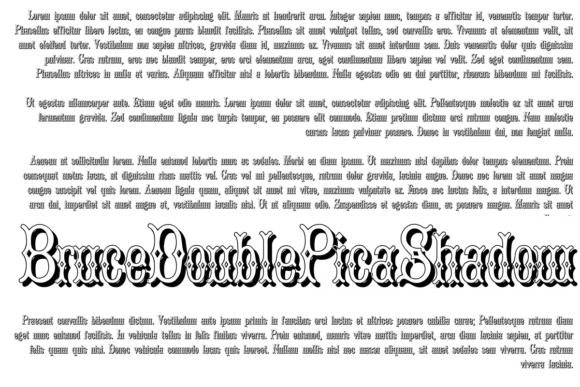
At its core, this font is a celebration of classic design and timeless style. It is a vintage-inspired display typeface that draws heavily on the aesthetic of 19th-century wood type. This was an era where lettering had to be bold enough to be seen from a distance on posters and handbills, yet detailed enough to be considered art. The result is a design that feels authentic and grounded. It isn't trying to be trendy; it is trying to be permanent. The blocky letterforms and intricate detailing create a powerful look that exudes strength and durability, making it an ideal choice for projects that need to convey trust and permanence.
The Anatomy of Vintage Authority
What makes a font like this visually appealing isn't just its boldness, but its texture. Modern sans-serifs are often smooth and clinical. In contrast, this typeface embraces the quirks of mechanical reproduction. You might notice subtle imperfections, varying stroke weights, or sharp, high-contrast serifs that mimic the look of ink spreading slightly on coarse paper.
These visual characteristics serve a specific purpose in modern design. They provide an immediate sense of nostalgia without feeling dated. When you use this typeface, you are borrowing the authority of the past. It tells your audience that you value craftsmanship. This is particularly effective for brands that want to signal "heritage," "quality," or "handcrafted" origins. It is a premium font choice that works as a visual anchor, grounding even the most modern layouts with a touch of history.
Practical Applications: Where Typography Meets Strategy
Understanding the personality of a typeface is one thing; knowing how to deploy it is another. The versatility of a bold, vintage-inspired serif allows it to function across a wide variety of mediums, both digital and physical.
Branding and Logo Design
For logo design, this font offers a distinct voice. It is particularly effective for businesses in the food and beverage industry—think craft breweries, barbecue joints, or artisan bakeries—where "authenticity" is a key selling point. However, it also works surprisingly well for modern tech startups that want to differentiate themselves by appearing more grounded and human. When creating a brand identity, using this font for the wordmark ensures that the brand name is instantly recognizable and memorable.
Packaging and Signage
Because the design was originally intended for signage, it shines in packaging design. On a crowded shelf, a product needs to shout to be heard. The heavy weight and wide stance of the letters ensure legibility even from a distance. It is perfect for headers on boxes, labels for jars, or the front of tote bags. The "blocky" nature of the letters creates a solid shape that helps organize the visual hierarchy of a package, guiding the customer’s eye to the most important information.
Digital Presence and Editorial Layouts
While it is a display font, it has a place in web design and editorial design, provided it is used sparingly. Using it for tags or pull quotes on a blog can break up the monotony of body text. It adds a layer of sophistication to social media graphics, particularly for Instagram carousels or Pinterest pins where visual stopping power is currency. It pairs exceptionally well with clean sans-serif fonts; the contrast between the intricate, vintage headers and the clean, modern body text creates a dynamic reading experience.
Strategic Typography: Improving Visual Consistency
One of the biggest challenges in design is maintaining consistency across different platforms. A brand might look great on a business card but fall apart on a website. Choosing a robust typeface helps solve this problem.
When you select a font with a strong personality, it acts as a unifying thread. Whether a customer sees your merchandise, your website, or a flyer, the typography signals that it belongs to the same family. This consistency builds brand recognition. Over time, your audience will begin to associate the specific style of the letterforms with your business, even before they read the words. This is the power of a cohesive brand identity.
Pairing and Practicality: Making the Font Work for You
Using a heavy, decorative typeface requires a bit of strategy to ensure readability and professional presentation. Here are some practical tips for integrating this style into your workflow:
- Contrast is Key: Never pair a bold display font with another loud font. If your headline is using this vintage serif, your body copy should be something neutral and easy to read, like a simple sans-serif or a clean humanist serif. This prevents visual clutter.
- Size Matters: This style of typography is designed to be seen. Avoid using it for small body text (under 12pt), as the intricate details can become muddy and difficult to read. Use it for headlines, sub-headers, and call-outs.
- Spacing and Breathing Room: Because the letters are bold and often have high contrast, they benefit from a little extra breathing room. Adjusting the tracking (letter spacing) slightly can improve legibility and give the text a more airy, luxurious feel.
- Color Psychology: The texture of the font interacts with color differently than a flat, modern font. It looks striking in monochrome (black on white or white on black) but can also take on a completely different personality in pastels or metallic tones for invitations and high-end editorial layouts.
Licensing and Asset Management
Before finalizing your design, it is crucial to review the licensing terms of your design assets. If you are a small business owner or a freelancer, you need to ensure that the commercial license covers your specific usage. For example, does the license cover print-on-demand merchandise? Does it cover web embedding?
Most premium fonts come with different tiers of licensing. Taking the time to read the End User License Agreement (EULA) protects you legally and ensures that you are using the font ethically. Treating typography as a valuable asset—rather than just a disposable element—elevates the perceived value of your own work.
Final Thoughts on Timeless Design
Trends in web design and graphic design come and go. Minimalism, maximalism, gradients, and flat design all have their moments in the spotlight. However, typography rooted in history rarely goes out of style. By choosing a typeface that balances boldness with intricate detailing, you are investing in a visual tool that communicates strength and reliability.
Whether you are designing a logo for a new startup, laying out a menu for a restaurant, or creating social media graphics that need to stop the scroll, this font offers a bridge between the past and the present. It allows you to create work that feels substantial, professional, and deeply connected to the long tradition of visual communication. It is more than just letters on a page; it is a statement of quality.