Cutype: The Go-To Font for Crafters and Makers
Imagine you've just designed a beautiful layered paper flower or a custom wooden sign for a friend's wedding. You've chosen the perfect cardstock or wood grain, and your cutting machine is humming along. But when you peel away the negative space, the delicate script of the font you used has torn, leaving you with a frustrating, jagged mess. This is the exact problem Cutype was designed to solve. It's more than just a typeface; it's a purpose-built tool for anyone who works with a laser cutter, Cricut, or Silhouette machine, turning digital designs into flawless physical objects.
A Typeface Engineered for Physical Making
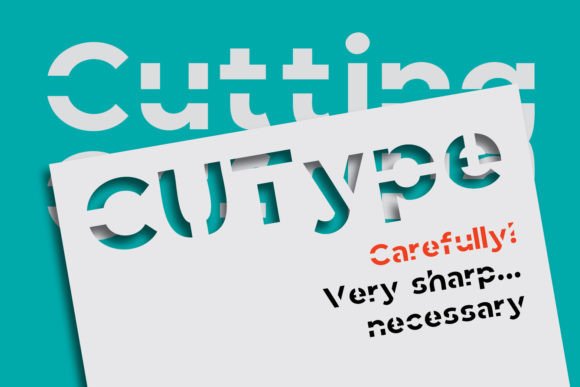
At its core, Cutype is a display font with a bold, confident personality. Its letterforms are intentionally simplified and thickened, which is the secret to its success in cutting applications. Thin, spindly serifs or hairline connections in a script font are the first points of failure when a blade or laser passes through material. Cutype eliminates these weak points. The strokes are uniform and robust, ensuring that every letter remains intact and connected, whether you're cutting intricate cardstock or etching a logo onto leather.
The visual appeal lies in its clean, modern simplicity. It doesn't rely on excessive ornamentation. Instead, it uses clear, geometric shapes and generous counter-spaces (the enclosed areas in letters like 'o' and 'e') to ensure readability at any size. This makes it a versatile creative font that feels both friendly and professional. It strikes a balance between a sturdy sans serif font and a slightly softened, approachable style, making it ideal for projects that need to communicate clearly and feel handmade.
From Craft Table to Brand Identity
While Cutype excels in physical crafts, its applications extend far beyond the hobbyist's workspace. For small business owners and entrepreneurs, it offers a fantastic solution for creating cohesive brand identity assets. Think about a local bakery that wants to brand its packaging, from cake boxes to coffee sleeves. Using Cutype ensures the logo and typography will look sharp and consistent whether it's printed on a label, cut from a vinyl decal for the shop window, or used in social media graphics. The font's strength translates perfectly from physical to digital mediums.
Consider these practical scenarios where a premium font like Cutype becomes invaluable:
- Packaging Design: Creating standout labels and boxes where the text needs to be bold and legible, even when cut from textured materials.
- Logo Design: Developing a logo that will be used across multiple platforms—websites, business cards, and physical signage—without losing integrity.
- Merchandise: Designing for t-shirts, tote bags, and mugs where a durable, clean-cut aesthetic is preferred over a delicate, handwritten style.
- Invitations & Stationery: Crafting wedding suites or event invitations with laser-cut details that are guaranteed to look elegant and precise.
- Editorial Layouts: Using it for pull quotes or headlines in magazines and blogs where a bold, impactful statement is needed.
Practical Tips for Integrating Cutype into Your Workflow
Choosing the right font is only half the battle; using it effectively is what elevates your work. When incorporating Cutype into a project, start by considering your primary goal. Is it for a headline that needs to grab attention, or for shorter text blocks where clarity is paramount? Its nature as a display font means it shines brightest in titles, logos, and callouts. For longer paragraphs of body text, pairing it with a simple, highly readable serif font or sans serif font creates a balanced and professional typography hierarchy.
Always test your font pairings in context. Place a Cutype headline next to a paragraph set in a companion font like Open Sans or Lora. Does the combination feel harmonious? Does it guide the viewer's eye naturally? Another critical step is to review the included font styles. Many premium fonts come with multiple weights or stylistic alternates. Cutype might include variations that allow for more nuanced design choices, helping you avoid a monotonous look in larger projects.
Finally, never overlook the importance of licensing. If you're using Cutype for a commercial project—such as creating designs for a client, selling merchandise, or marketing your own business—ensure you have the correct commercial font license. This is a non-negotiable part of professional practice that protects both you and the font designer. It’s a small step that guarantees your work is legally sound and supports the creators who build these valuable design assets.
Making Your Message Stick
In a crowded visual landscape, the tools you choose communicate as much as the words themselves. A font like Cutype does more than just spell out a message; it conveys a sense of craftsmanship, durability, and thoughtful design. It tells your audience that you care about the details, whether you're a crafter selling on Etsy or a startup building a brand from the ground up. By integrating a typeface that is built for both the digital screen and the physical world, you achieve a rare and powerful visual consistency that strengthens brand recognition and makes your projects stand out. It’s the kind of practical, reliable asset that, once you start using it, you’ll wonder how you managed without it.