Funny Story: The Typeface That Brings Joy to Every Design
There's a particular kind of magic that happens when you find a font that perfectly captures the mood you're going for. Maybe you're designing a poster for a local comedy night, packaging for a quirky snack brand, or social media graphics for a lifestyle blog that doesn't take itself too seriously. You need something that communicates warmth, playfulness, and a sense of fun—without crossing into cartoonish territory. That's exactly where Funny Story earns its place in your design toolkit.
What Makes This Font Feel So Alive
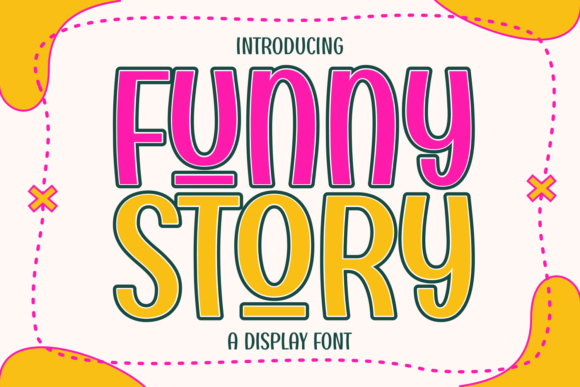
Funny Story is a display typeface built with personality at its core. The letterforms carry a bold, rounded quality that feels energetic without being aggressive. There's a bounce in the curves, a confidence in the weight, and an overall sense of approachability that makes it immediately likable. Unlike some playful fonts that sacrifice legibility for style, this one manages to stay readable even at smaller sizes—which matters more than most people realize.
The charm lies in its versatility. It doesn't scream "children's book" or "birthday party invitation" exclusively. Yes, it works beautifully in those contexts, but it also holds its own in commercial branding, editorial layouts, and digital products. The design strikes that rare balance between whimsical and professional, which opens up a surprisingly wide range of applications.
Where This Font Truly Shines
Think about the brands you gravitate toward. Chances are, many of them use typography that reflects a distinct personality. A bakery with hand-painted signage. A podcast with bold, playful cover art. A fitness brand that feels energetic and motivating rather than intimidating. Font choice plays a massive role in shaping those first impressions, and Funny Story is the kind of typeface that makes people stop scrolling.
Here are some practical ways designers and business owners are putting it to work:
- Logo design for startups and small businesses that want to appear friendly and memorable
- Packaging design for food products, cosmetics, and artisan goods where shelf appeal matters
- Social media graphics that need to stand out in a crowded feed without relying on stock imagery
- Website headers and hero sections where a bold statement sets the tone for the entire brand experience
- Event posters and flyers for comedy shows, festivals, fundraisers, and community gatherings
- Merchandise like t-shirts, tote bags, and mugs where the text itself becomes the design
- Invitations and greeting cards for celebrations, launches, and personal milestones
- Digital products such as ebooks, worksheets, and online course materials that need visual personality
- Blog headers and editorial layouts where typography helps establish a consistent content identity
The common thread across all these uses is intentionality. Funny Story works best when the designer has a clear sense of the project's voice and audience. It's not a default choice—it's a deliberate one.
Pairing It With Other Typefaces
One of the most practical considerations when working with any display font is what you pair it with. Funny Story carries enough visual weight to dominate a layout, so pairing it with something more restrained creates a natural hierarchy. A clean sans serif font for body copy works exceptionally well here. Think of something like a modern sans serif with generous spacing—it lets the headline do the talking while keeping longer passages comfortable to read.
For projects that lean more editorial or storytelling-driven, pairing it with a classic serif font can create an interesting contrast. The playful energy of the display type against the grounded elegance of a serif creates visual tension that keeps readers engaged. This approach works particularly well for magazine layouts, blog posts, and branded content where you want personality without sacrificing credibility.
Script and handwritten fonts can also complement Funny Story in the right context, though restraint is key. Too many expressive typefaces competing for attention creates visual noise. If you're using Funny Story as your primary headline font, let it breathe. Give it space on the page and let supporting typography play a supporting role.
Readability Is Non-Negotiable
It's worth emphasizing something that sometimes gets overlooked in the excitement of finding a great-looking font: readability always comes first. A typeface can be visually stunning, but if your audience struggles to read it, the design fails at its most basic function. Funny Story handles this well because its letterforms are distinct and well-spaced, but context still matters.
A few things to keep in mind:
- Size matters. Display fonts are designed for larger applications. Using Funny Story at 12 points for paragraph text will likely create readability issues. Reserve it for headlines, titles, and short bursts of text where its personality can shine.
- Contrast is your friend. Make sure the font color contrasts sufficiently with the background. A bold, playful font on a busy background can become difficult to parse quickly.
- Test across devices. What looks perfect on your desktop monitor might feel cramped on a mobile screen. Always preview your designs at multiple sizes before finalizing.
- Consider your audience. If you're designing for an older demographic or a professional context, dial back the playfulness slightly by using it only for accent elements rather than primary text.
Building a Brand Identity Around Personality
For small business owners and entrepreneurs, font selection is one of the most impactful decisions you'll make for your brand identity. It's tempting to choose something "safe" and neutral, but that often results in a brand that blends into the background. Funny Story offers an alternative path—one where your typography communicates warmth, creativity, and approachability from the very first interaction.
Consider a small coffee roaster launching their first product line. The packaging needs to convey craft and quality, but also accessibility. A stiff, corporate typeface sends the wrong message. Something like Funny Story, used thoughtfully on labels and signage, tells customers this is a brand that takes its product seriously but doesn't take itself too seriously. That emotional connection is what turns first-time buyers into loyal advocates.
The same principle applies to content creators building a personal brand. Your typography choices become part of your visual signature. When followers see your distinctive headline font in their feed, they recognize it before even reading the words. That kind of instant recognition is invaluable, and it starts with choosing a typeface that genuinely reflects who you are.
A Few Final Thoughts on Making It Work
Every font is a tool, and like any tool, its effectiveness depends on how you use it. Funny Story delivers its best results when the designer understands the project goals and audience expectations. It's a premium font that rewards thoughtful application—pair it with strong color choices, intentional layouts, and clear messaging, and it becomes a powerful part of your design assets collection.
Before committing to any typeface for a major project, take time to experiment. Set your actual headlines in the font. Test it with your brand colors. Print it out. View it on different screens. Typography is a tactile, visual experience, and the only way to know if something works is to see it in context. Funny Story makes that process enjoyable, because working with a font that has this much personality tends to spark creative ideas you might not have considered otherwise.
Whether you're refreshing an existing brand, launching something new, or simply looking for a creative font that brings genuine energy to your work, this typeface deserves a closer look. It's the kind of design choice that makes both the creator and the audience smile—and sometimes, that's exactly what a project needs.