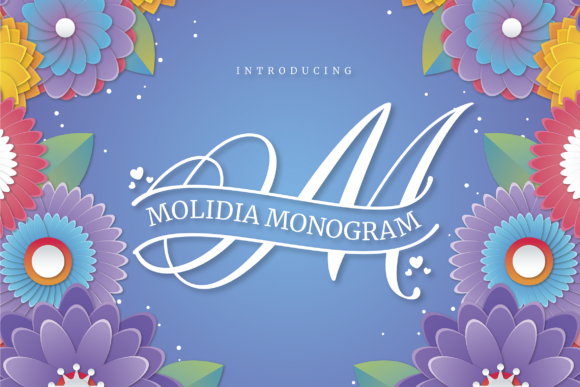
Molidia Monogram: A Fresh Take on Classic Calligraphy
There's a particular kind of magic in typography that bridges eras—fonts that nod to the elegance of hand-lettered scripts while feeling completely at home in modern design. Molidia Monogram is one of those rare typefaces. It carries the graceful weight of calligraphic tradition but sheds the stiffness that often comes with it, offering something genuinely versatile for today's creative projects.
Whether you're a freelance designer piecing together a client's wedding stationery suite, a small business owner crafting packaging that needs to stand out on a crowded shelf, or a content creator building a cohesive visual identity across platforms, the fonts you choose quietly shape how your audience perceives your work. A typeface isn't just letters on a page. It's tone. It's personality. It's the difference between something that feels polished and something that feels thrown together.
Where Classic Meets Contemporary
What makes Molidia Monogram interesting is its balance. Many script fonts lean heavily into one direction: either they're ornate and old-fashioned, dripping with flourishes that look beautiful but limit readability, or they're so stripped down that they lose the warmth and character that made calligraphy appealing in the first place. Molidia sits in a thoughtful middle ground.
The letterforms carry authentic calligraphic influence—you can see the natural stroke variation and the organic flow that comes from a hand-lettered origin. But the overall feel is clean and current. It doesn't look like it was pulled from a Victorian greeting card. It looks like it belongs on a beautifully designed Instagram story, a boutique product label, or a modern wedding invitation with a relaxed, romantic aesthetic.
This duality makes it a genuinely useful design asset. You're not locked into a single mood or era. You can dress it up for formal applications or let it breathe in casual, contemporary contexts.
Real Projects, Real Applications
Let's talk about where a font like this actually earns its place in your toolkit. Theory is nice, but practical application matters more.
Wedding and Event Invitations: This is perhaps the most natural fit. Molidia Monogram brings an intimate, handcrafted quality to invitations, save-the-dates, and RSVP cards without looking amateurish. Pair it with a clean sans serif for the details text, and you have a sophisticated typographic system that feels personal rather than corporate.
Brand Identity and Logo Design: For businesses that want to communicate warmth, authenticity, and artisanal quality—think boutique bakeries, floral studios, handmade jewelry brands, or independent wellness practitioners—this typeface can anchor a visual identity. It works particularly well for monogram-style logos where initials need to feel both elegant and approachable.
Packaging Design: Product packaging needs to communicate quickly and memorably. A premium font like Molidia can elevate packaging for cosmetics, candles, specialty foods, or craft beverages. The calligraphic quality suggests care and craftsmanship, which aligns perfectly with products that emphasize quality ingredients or handmade processes.
Social Media Graphics: Consistency across social platforms builds recognition. Using Molidia Monogram for quote graphics, sale announcements, story templates, or pinned posts creates a distinctive visual thread. It photographs well and reads clearly at smaller sizes, which matters when someone's thumb-scrolling through a feed.
Website Headers and Blogs: While you wouldn't set body copy in a script font, using it strategically for headers, pull quotes, or section dividers adds visual interest and personality to web design. It breaks up the monotony of standard web typography without sacrificing professionalism.
Print Materials and Merchandise: Business cards, thank-you cards, tote bags, sticker sheets, art prints—any physical product or printed collateral benefits from typography that feels intentional. Molidia works beautifully for these applications because its character comes through clearly in print, not just on screen.
Editorial and Digital Products: Magazine layouts, e-book covers, digital planners, and printable wall art all benefit from a display font that carries emotional weight. This typeface adds a layer of sophistication to editorial design without competing with photography or illustration.
Strengthening Your Visual Communication
Good typography does more than decorate. It solves problems. When you choose fonts deliberately, you improve several things at once.
Visual Consistency: Using the same typeface family across touchpoints—your website, your packaging, your social templates, your printed materials—creates a unified look. People start to recognize your aesthetic before they even read the words. That kind of recognition compounds over time.
Brand Recognition: Think about the brands you notice immediately, even from a distance. Typography plays a huge role in that. A distinctive font becomes part of your visual signature. Molidia Monogram, with its particular blend of elegance and freshness, can become a recognizable element of your brand identity when used consistently.
Professional Presentation: There's a noticeable difference between a presentation that uses default system fonts and one that uses carefully selected typography. It signals that someone paid attention to details. For client-facing work, pitches, proposals, or product launches, that perception of care and professionalism matters.
Audience Engagement: People respond to visual beauty, even when they can't articulate why. A social media post set in a thoughtfully chosen font will often outperform one set in something generic, simply because it holds attention for a fraction of a second longer. That fraction can be the difference between a scroll-past and a click.
Working With Molidia in Your Projects
A few practical considerations will help you get the most out of this typeface.
Font Pairing Matters: Script fonts rarely work well alone in longer compositions. Molidia Monogram pairs naturally with clean serif fonts for a traditional feel or with geometric sans serif fonts for something more modern. Test combinations before committing. Set a heading in Molidia and body text in your secondary font, then evaluate the contrast and harmony. The pairing should feel intentional, not accidental.
Readability First: Even the most beautiful font fails if people can't read it. Use Molidia for display purposes—headlines, titles, short phrases, monograms, and accents. Avoid setting paragraphs or lengthy text in any script typeface. Context matters too: a font that reads clearly at large sizes on a poster might become illegible when shrunk down for a business card. Always test at the actual size you'll be using.
Explore the Included Styles: Premium fonts often come with multiple weights, alternates, ligatures, or stylistic variations. Take time to explore what's included. You might discover alternate letterforms that work better for specific words, or stylistic sets that shift the font's personality in useful ways. These extras are part of what you're investing in—use them.
Licensing Considerations: Before using any font commercially, verify the license terms. Most premium fonts allow broad commercial use, but specifics vary. If you're creating products for sale, using the font in client work, or incorporating it into merchandise, make sure the license covers those applications. It's a small step that prevents headaches later.
Making It Your Own
The best typography decisions come from understanding your project's goals first and choosing fonts second. What emotion should your design evoke? Who's the audience? Where will they encounter it—on a phone screen, a printed card, a storefront window? Those answers guide your choices more than any trend list or font recommendation ever will.
Molidia Monogram is a strong option when your project calls for something that feels personal, elegant, and current. It brings together the best of calligraphic tradition and modern design sensibility in a way that's genuinely useful across a wide range of applications. Whether you're building a brand from scratch or refreshing an existing visual identity, it deserves a spot in your consideration set.
The real test of any typeface is whether it serves the work. Set it, step back, and ask whether the typography is communicating what you intend. When it does, you'll know you've found the right fit.