Pamela Bestie: A Hand-Drawn Font for Projects with Heart
There’s a certain kind of magic in typography that feels human. You know the type—it carries the warmth of a handwritten note, the imperfection of a doodle in a sketchbook, and an unmistakable sense of personality. This is the space where Pamela Bestie thrives. It’s a playful, layered display font that doesn’t just communicate words; it communicates feeling. In a world saturated with sterile, perfect vectors, this typeface offers a breath of fresh air, bringing a hand-drawn charm that’s both quirky and deeply relatable.
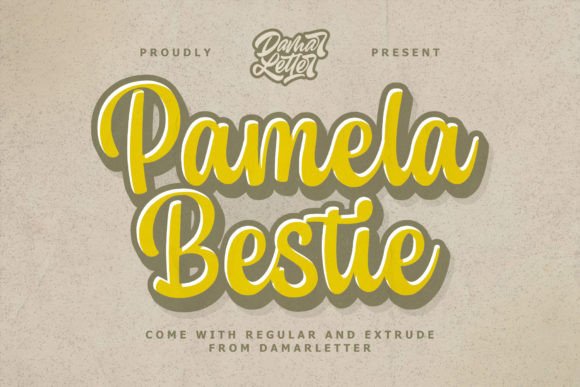
What makes Pamela Bestie stand out is its intentional irregularity. The letterforms aren’t rigid or mathematically precise, and that’s entirely the point. Each character has a slightly wobbly, organic quality, as if it was sketched by hand with care. This isn’t a font for corporate annual reports or dense body text. Instead, it’s a creative asset designed for moments where you want to inject fun, authenticity, and a friendly vibe. It’s the typographic equivalent of a smile.
More Than Just a Pretty Face: The Two Styles
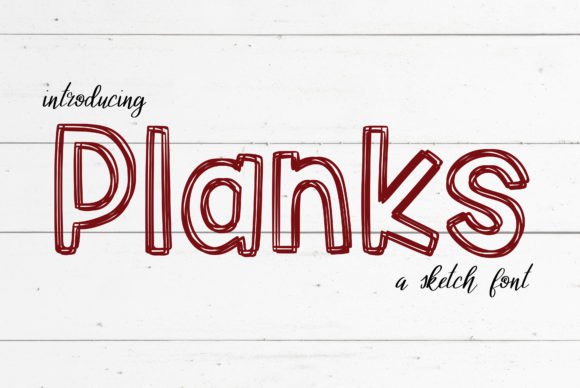
Understanding its structure is key to using it effectively. Pamela Bestie comes as a layered font system, typically offering two complementary styles. One style often features a solid, filled character, while the other provides an outline or a secondary layer. This pairing allows for incredible creative flexibility. You can use them individually for a clean, quirky look, or combine them—stacking the outline over the solid fill—to create eye-catching, dimensional effects perfect for headlines and logos.
This layered approach is a game-changer for creating depth without complex software skills. Imagine designing a logo where the main word has a bold, filled base with a delicate outline sitting just behind it, creating a subtle shadow or a pop of color. It’s a built-in design trick that elevates simple text into a memorable visual element. This feature alone makes it a valuable part of any designer’s toolkit, especially for those working on branding projects that need to stand out.
Where Pamela Bestie Truly Shines: Practical Applications
The true test of any font is how it performs in real-world scenarios. Pamela Bestie excels in contexts where personality and approachability are paramount. Let’s explore some of the most effective places to put this creative font to work.
Branding and Logo Design: For small businesses, bakeries, boutique shops, indie brands, and creative entrepreneurs, this font can form the cornerstone of a friendly brand identity. It’s particularly effective for businesses that want to emphasize handmade quality, personal service, or a playful ethos. Pair it with a simple, clean sans-serif for body text to maintain readability while letting the brand name do the talking.
Packaging and Labels: Imagine this font on a bag of artisan coffee, a jar of homemade jam, or the label for a craft beer. Its hand-drawn aesthetic instantly communicates care and craftsmanship. It helps products jump off the shelf and tells a story before the customer even takes the first sip or bite.
Social Media Graphics and Marketing Assets: In the fast-scrolling world of Instagram, TikTok, and Pinterest, grabbing attention is everything. Pamela Bestie is perfect for creating engaging quote graphics, sale announcements, and video thumbnails. Its playful nature encourages engagement and feels native to platforms built on personal expression and creativity.
Event Invitations and Merchandise: From wedding invitations to birthday party flyers, this font sets a joyful and informal tone. It’s also fantastic for merchandise like tote bags, t-shirts, and mugs, where a catchy phrase in a charming typeface can become the entire design.
Digital Products and Editorial Design: Bloggers and digital content creators can use it for featured image titles, e-book covers, or the headings in a digital recipe card. In editorial layouts, such as magazines or lookbooks, it can add a touch of whimsy to section headers or pull quotes, breaking up the visual monotony of standard serif and sans-serif fonts.
Making It Work: Pairing and Practicality
A font, no matter how charming, doesn’t exist in a vacuum. How you pair and deploy Pamela Bestie is crucial to its success in a design.
The Art of the Pairing: Because Pamela Bestie is a strong display font, it needs a quiet partner. The best font pairings often involve a neutral, highly legible sans-serif like Lato, Open Sans, or Montserrat for body copy, subheadlines, or supporting information. This creates a clear hierarchy: the playful font for impact, the simple font for clarity. Avoid pairing it with other ornate scripts or highly decorative fonts, which will create visual chaos.
Readability is Key: This is a display font, meaning it’s meant for large, short bursts of text—headlines, logos, and titles. Using it for long paragraphs or small print sizes would severely compromise readability. Always prioritize your audience’s ability to easily read the message. Use it to capture attention, then switch to a more readable font for the details.
Test, Test, Test: Before committing, test the font in your specific project context. How does it look on a mobile screen versus a printed poster? Does the layered effect work with your color palette? Print a sample if it’s for a physical product. Seeing it in its final environment is the only way to be sure it delivers the intended feeling and function.
Licensing for the Long Haul: If you plan to use Pamela Bestie for commercial projects—which is likely, given its applications—it’s essential to understand the licensing. Most premium fonts, including this one, require a commercial license for use in products for sale, client work, or widespread marketing. Always review the End User License Agreement (EULA) provided by the foundry or marketplace to ensure your use is fully covered. This protects both you and the font designer.
Ultimately, Pamela Bestie is more than just a collection of letters. It’s a tool for injecting personality, warmth, and a human touch into your visual communication. It’s for the designer who knows that the best projects often have a little bit of charming imperfection woven right into their DNA. When your project calls for a font with a friendly wink and a creative spirit, this typeface is a worthy companion.