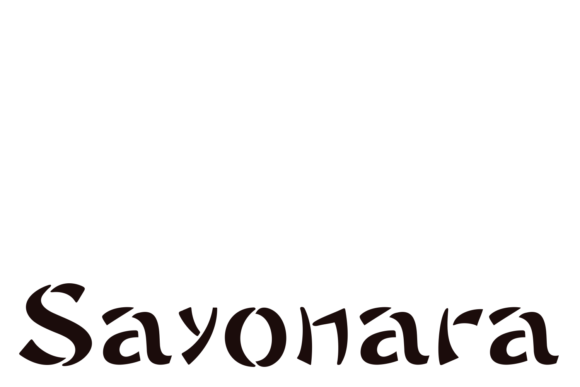
Sayonara Family: A Font Collection That Tells a Story
There’s a particular magic that happens when you find a typeface that doesn’t just sit on the page, but actively participates in the narrative. It’s the difference between a design that merely informs and one that resonates. For creators seeking that elusive spark—the font that feels both versatile and deeply expressive—the Sayonara Family presents a compelling case. This isn’t a single note, but a full orchestra of typographic voices, designed to bring a cohesive yet dynamic energy to a vast array of creative projects.
At its heart, the Sayonara Family is a curated collection of fonts that share a common design philosophy while offering distinct personalities. You might encounter elegant serifs with a classic, trustworthy feel, clean sans-serifs for modern clarity, fluid scripts that add a personal, handwritten touch, and perhaps bold display styles that command attention. This diversity is its greatest strength. Instead of hunting for separate fonts that might clash, you’re working with a unified system where styles are designed to complement each other. This inherent harmony is a massive time-saver and a secret weapon for establishing visual consistency across different touchpoints of a brand or project.
Matching Typography to Your Project's Voice
Choosing the right style from a family like Sayonara is about listening to your project's needs. A boutique coffee brand aiming for artisanal warmth might lean into the script font or a softer serif for its packaging and logo, evoking handcrafted quality. Meanwhile, a tech startup focused on innovation and clarity would likely gravitate towards the sans serif font options for its website and app interfaces, ensuring readability and a sleek, contemporary aesthetic. The key is to ask: what feeling do I want to evoke? Trust? Creativity? Elegance? Approachability? The Sayonara Family provides the tools to answer that question with precision.
Let’s talk real-world application. Imagine designing a series of social media graphics for a lifestyle blogger. Using the bold display style for headlines, the clean sans-serif for body text, and the script for a personal signature or quote creates a layered, engaging look that feels professional yet personal. For packaging design, a combination of a strong serif for the product name and a simple sans-serif for details can achieve a premium, shelf-ready presence. The family’s range allows you to adapt without losing the core identity, which is crucial for brand recognition.
Beyond the Logo: Building a Cohesive Visual Identity
A common pitfall in design is treating the logo as the entire brand identity. In reality, the logo is just the starting point. The typography you use across your website, emails, business cards, and marketing materials is what truly builds a recognizable and professional presence. This is where a premium font family like Sayonara proves its value. By using consistent styles from the same family, you create a seamless visual language. Your Instagram post feels connected to your invoice, which feels connected to your website header. This subconscious consistency builds trust and makes your brand feel intentional and established.
For entrepreneurs and small business owners, this translates directly to credibility. A mismatched, default font selection can make a fledgling business look amateur, no matter how good the product or service is. Conversely, a thoughtful typographic system, built with a versatile typeface, signals that you care about details. It’s a subtle but powerful form of non-verbal communication that says, “We are professional, and we take our work seriously.” This applies equally to a digital product like an online course or a print material like a wedding invitation.
Practical Tips for Using a Font Family
Having a powerful tool is one thing; using it effectively is another. Here are some practical considerations when working with a collection like the Sayonara Family:
- Start with Purpose: Before diving into styles, define the hierarchy of your content. What’s the most important message? What’s supporting information? Use bolder, more distinctive styles for primary headings and simpler, highly readable styles for body text.
- Test Extensively: Always test your chosen fonts in context. A style that looks stunning in a 72pt headline might become illegible at 12pt for a paragraph. Check how it renders on different screens (mobile vs. desktop) and in print. Readability is non-negotiable.
- Master the Pairing: Since the fonts are designed to work together, pairing becomes more intuitive. A classic rule is to contrast, not conflict. Pair a decorative script with a neutral sans-serif, or a bold display with a light serif. Avoid pairing two very ornate styles, as they’ll compete for attention.
- Review the Full Suite: Take time to explore all the included font styles. You might discover that a condensed version is perfect for a sidebar, or that an italic variant adds just the right emphasis for a call to action. Understanding your full toolkit prevents you from missing an opportunity.
- Clarify the License: For any commercial project, understanding the licensing is critical. Ensure the commercial font license covers your intended use, whether it’s for client work, merchandise, or digital products. Most reputable font licenses are straightforward, but it’s always best practice to confirm.
Ultimately, the goal of any design asset is to serve the project, not to showcase the asset itself. The Sayonara Family, with its range of modern typography options, offers a solution for designers who need flexibility without sacrificing aesthetic cohesion. It’s about having the right voice for every part of the conversation, from a whispered invitation to a bold proclamation on a poster. By thoughtfully applying its various styles, you can elevate the professional presentation of your work, engage your audience more deeply, and build a visual foundation that feels both unique and reliably consistent.