Speedball: The Victorian Typeface with Modern Edge
There’s a particular kind of font that stops you mid-scroll. It doesn’t shout; it leans in. It carries a history in its letterforms—crisp serifs, balanced curves, and an air of quiet authority. That’s the feeling you get from Speedball, a Victorian thin serif style font that bridges old-world elegance with contemporary design needs. If you’re tired of typefaces that feel either too generic or too ornate, this one might be the missing piece in your creative toolkit.
Why This Font Feels Both Timeless and Fresh
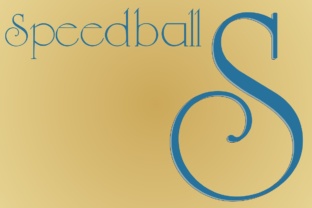
Speedball draws from the aesthetic of Victorian typography, a period known for its love of detail, craftsmanship, and visual distinction. The thin, refined serifs give it a delicate yet structured appearance, making it highly readable while maintaining a decorative character. Unlike heavier, more ornamental Victorian fonts, Speedball keeps things clean—so it works beautifully in modern layouts without looking cluttered or dated.
What makes it visually appealing is its versatility. The letterforms have enough personality to stand out in a logo or headline, yet they’re restrained enough to pair well with simpler fonts for body text. It’s this balance that makes it a practical choice for so many projects, from branding to editorial design.
Real-World Uses That Actually Matter
Let’s talk about where Speedball can genuinely make a difference. For small business owners and entrepreneurs, a font like this can elevate your brand identity without requiring a complete redesign. Imagine it on your packaging—think artisanal goods, boutique skincare, or specialty foods—where the typeface itself communicates quality and attention to detail.
For content creators and marketers, Speedball shines in social media graphics and digital ads. Its distinctiveness helps your visuals stand out in crowded feeds, while its readability ensures your message gets across. Use it for quote graphics, promotional banners, or even as a stylized header in your email newsletters.
Designers will appreciate its utility in logo design and brand systems. A font with this much character can become the cornerstone of a visual identity, especially when paired with a clean sans serif or a subtle script font. It’s also a strong choice for editorial layouts—think magazines, lookbooks, or blog headers—where typography needs to carry both style and substance.
How to Pair and Use It Effectively
Choosing the right font style is only half the battle; knowing how to use it is what makes the difference. Here are a few practical tips:
- Pair with contrast. Speedball’s thin serifs work best when paired with fonts that offer visual contrast. Try combining it with a geometric sans serif for modern projects, or with a handwritten script for a more personal, artisanal feel.
- Mind the size. While it’s readable at medium sizes, very small text might lose some of its delicate details. Use it for headlines, subheads, or pull quotes, and choose a simpler font for lengthy body copy.
- Test in context. Always preview the font in your actual design environment—whether it’s a website mockup, packaging template, or social media post—to see how it interacts with colors, images, and other elements.
- Consider the tone. Speedball evokes a sense of heritage, craftsmanship, and sophistication. It’s perfect for brands that want to convey tradition, quality, or a vintage-modern aesthetic.
When it comes to font pairing, don’t be afraid to experiment. Try it alongside a neutral sans serif like Helvetica or Futura for a clean, professional look. Or, for more creative projects, pair it with a textured script font to add warmth and personality.
From Screen to Print: Consistency Is Key
One of the biggest challenges in design is maintaining visual consistency across different mediums. A font that looks great on a website might not translate well to printed materials, and vice versa. Speedball is designed to perform well in both digital and print environments, which is a huge advantage for anyone building a cohesive brand.
For web design, make sure to test the font at various screen resolutions and sizes. Its thin strokes might need slight adjustments for smaller screens to maintain readability. In print, the font’s sharp details will reproduce beautifully, especially on high-quality paper or packaging materials.
If you’re creating marketing assets—like brochures, business cards, or posters—Speedball can help unify your visual language. Using the same font across all touchpoints reinforces brand recognition and gives your materials a polished, professional presentation.
A Font for Many Creative Ventures
Whether you’re designing a wedding invitation, a restaurant menu, a digital product cover, or a set of social media templates, Speedball offers the flexibility to adapt to your vision. Its Victorian roots give it a nostalgic charm, while its clean execution keeps it relevant for modern applications.
For entrepreneurs and small business owners, investing in a premium font like this is often more cost-effective than commissioning custom typography. It gives you a unique visual voice without the expense or time commitment of a bespoke design. Plus, with commercial licensing typically included, you can use it confidently across your projects.
As you explore different typefaces, remember that the best font is one that aligns with your project’s goals and resonates with your audience. Speedball is a compelling option for anyone looking to add a touch of elegance, history, and distinction to their work—without sacrificing functionality or readability.
Ready to see how it fits into your next creative endeavor? Try it out in a mockup, pair it with your favorite fonts, and see how it transforms your design. Sometimes, the right typeface doesn’t just complete a project—it defines it.