Whimsy Boho: Capturing Retro Spirit with a Handwritten Font
There’s a certain magic that happens when a design feels both nostalgic and fresh. It’s that sweet spot where retro charm meets a free-spirited, modern aesthetic. For creators looking to bottle that feeling, the search for the right visual voice often leads to typography. A font isn’t just letters; it’s the tone, the texture, and the personality of a message. This is where a typeface like Whimsy Boho enters the conversation, offering a distinct handwritten style that carries the relaxed, artistic vibe of bohemian culture with a playful, retro twist.
Understanding the Font's Visual Personality
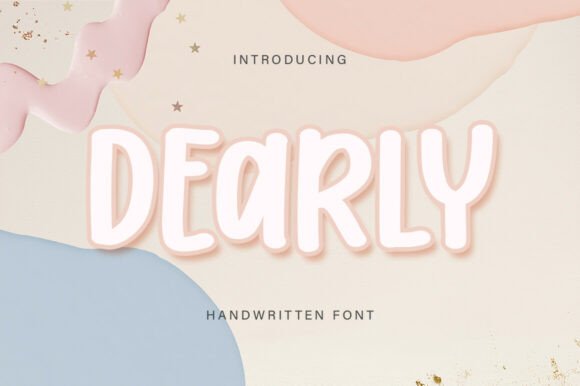
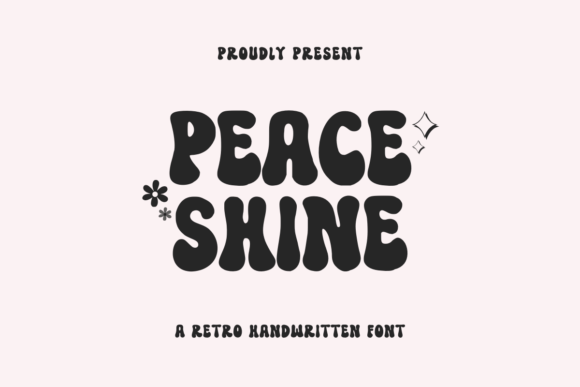
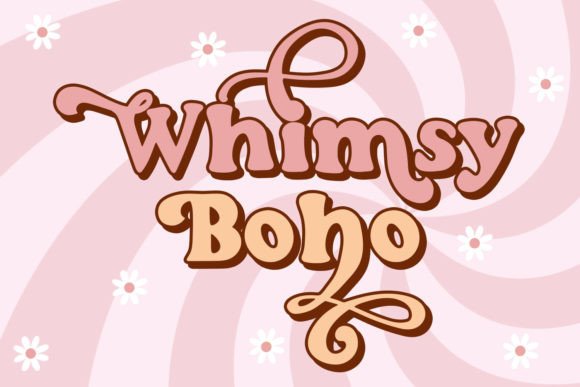
At its core, Whimsy Boho is a handwritten font that doesn’t strive for perfect, mechanical uniformity. Its strength lies in its organic, slightly uneven baseline and the natural flow of its letterforms, mimicking the genuine imperfections of hand-lettering. This authenticity is what makes it feel approachable and human. The "retro" element comes through in its stylistic choices—perhaps in the gentle curves of certain letters or the optional swashes that add a flourish reminiscent of mid-century script styles. It’s a display font designed to be seen and to set a mood, making it ideal for headlines, logos, and other prominent text where character is more important than dense readability.
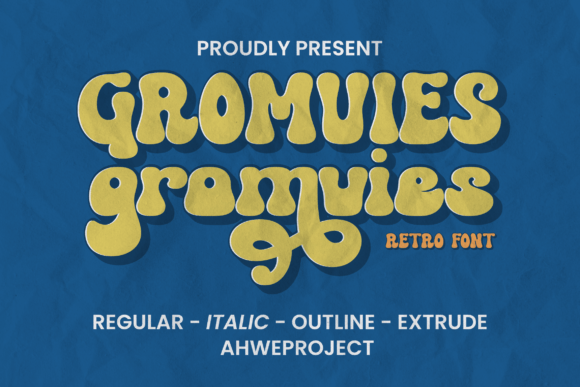
What truly sets this creative font apart are its stylistic alternates and ligatures. These aren’t just decorative extras; they are tools for customization. By swapping out a standard "g" for one with an elegant tail, or connecting letters with a unique ligature, you can tailor the font’s look to perfectly match your project’s vibe. This level of control helps in crafting a brand identity that feels intentional and uniquely yours, avoiding the generic feel that can come with more common typefaces.
Where This Typeface Truly Shines: Practical Applications
Thinking about a font’s use cases is crucial. A beautiful typeface is only valuable if it solves a problem or enhances a project. Whimsy Boho finds its home in projects where warmth, creativity, and a personal touch are paramount.
- Branding & Logo Design: For businesses in the wellness, artisanal goods, boutique fashion, or creative coaching spaces, this font can form the cornerstone of a memorable logo. It immediately communicates a brand that is personal, creative, and perhaps a little unconventional. Pair it with a clean sans serif font for body text to ensure your messaging remains clear.
- Packaging & Product Design: Imagine this font on a label for hand-poured candles, organic skincare, or specialty coffee. It suggests a product crafted with care. Its handwritten nature translates beautifully to physical merchandise like T-shirt designs, tote bags, and phone cases, where a personal, artistic statement is key.
- Invitations & Event Stationery: From wedding invitations to workshop flyers or birthday cards, the font sets an immediate tone. Its whimsical elegance is perfect for events that are celebratory, artistic, or bohemian in theme. The included glyphs can help create one-of-a-kind monograms or decorative elements.
- Digital Presence & Marketing: On social media, a font like this stops the scroll. Use it for Instagram quote graphics, Pinterest pin titles, or Facebook ad headlines to inject personality into your feed. For blogs and websites, it can be a powerful tool for featured post titles or banner text, drawing readers into your content. It’s also excellent for creating cohesive digital products like printable planners or e-book covers.
Integrating a Whimsical Font into Your Design Workflow
Adopting a new typeface into your toolkit requires a bit of strategy. The goal is to leverage its strengths without compromising the overall effectiveness of your design.
First, consider hierarchy and readability. A font like Whimsy Boho is a specialist. It’s meant for short bursts of impactful text. Use it for your H1 headings, logos, and pull quotes. For longer paragraphs, body copy, or detailed instructions, always pair it with a highly legible serif font or sans serif font. This contrast not only ensures your content is accessible but also makes the display font stand out more by giving it visual breathing room.
Second, test your font pairings. Don’t just assume. Place your chosen display font next to several potential body text options. Look at the x-height, weight, and overall mood. A clean, geometric sans serif can provide a modern counterbalance, while a classic serif can add a touch of timeless sophistication. The pairing should feel harmonious, not jarring.
Third, explore the full character set. Since this font is PUA encoded, you have easy access to all its stylistic alternates and ligatures. Don’t settle for the default letters. In software like Adobe Illustrator, Photoshop, or even Canva, open the glyphs panel to experiment. Swapping characters can transform a standard word into a piece of custom lettering, adding that extra layer of polish and intention to your logo design or social media graphics.
Finally, always check the licensing. If you plan to use the font for commercial projects—for a client, for merchandise you sell, or in a logo for your business—ensure you have the appropriate commercial font license. Reputable font marketplaces will clearly state the terms. Understanding this upfront protects your work and your business.
The Role of Typography in Visual Storytelling
Choosing a typeface like Whimsy Boho is more than an aesthetic decision; it’s a narrative one. In a crowded visual landscape, the fonts you use help tell your story before a single word is read. They create a feeling of trust, creativity, nostalgia, or innovation. For a small business owner, the right font becomes a silent ambassador for your brand’s values. For a content creator, it sets the stage for the community you’re building.
This particular premium font serves a specific story: one of authenticity, artistic flair, and a relaxed confidence. It’s for the maker, the storyteller, the entrepreneur who wants their visual identity to feel as handcrafted as their product. When used thoughtfully—with attention to pairing, hierarchy, and context—it becomes a powerful tool for building brand recognition and fostering a deeper audience engagement. It’s not about following a trend, but about finding a visual voice that resonates genuinely with you and the people you want to reach.
So, as you explore your next creative project, whether it’s a new product line, a brand refresh, or a series of digital prints, consider the personality you want to convey. Let a font with as much character as Whimsy Boho help you capture that retro-inspired, free-spirited essence. Play with the alternates, find the perfect pairing, and create something that feels unmistakably you. After all, the best designs are the ones that come from a place of genuine inspiration and a little bit of fun.