Ikewund: Capturing Eerie Atmosphere in Your Designs
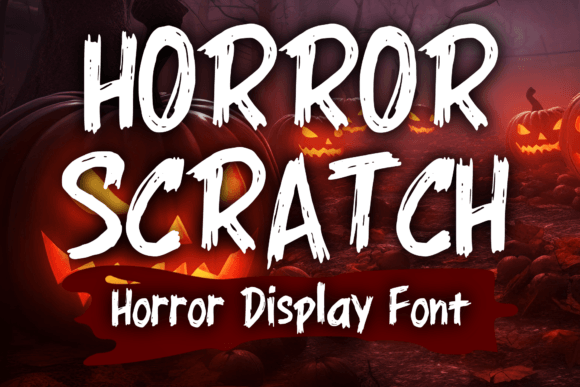
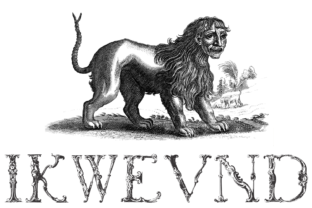
There are moments in design where a standard, clean typeface just won’t cut it. You might be working on a Halloween event poster, a vintage horror movie title sequence, or a logo for a brand that deals in the mysterious and macabre. In these instances, you need a font that carries a specific weight—a visual shorthand for "something is slightly off." Enter Ikewund, a display typeface designed specifically to evoke that peculiar, creepy feeling. It is not just a collection of letters; it is a tool for setting a mood, making it an exceptional choice for header designs that need to grab attention through unease or intrigue.
The Psychology of the "Creepy" Aesthetic
Why does a font feel creepy? Usually, it comes down to distortion, texture, or historical context. Ikewund taps into this by utilizing irregular baselines, jagged edges, or perhaps a hand-drawn quality that mimics ancient grimoires or asylum scratchings. When you use a premium font like this, you are leveraging modern typography psychology. You are telling the viewer immediately that the content they are about to consume is different from the everyday.
For brand identity, this is powerful. If you are a small business owner running a haunted house, an escape room, or a niche apparel brand dealing in gothic streetwear, Ikewund helps you bypass the need for lengthy explanations. The font does the heavy lifting of establishing your vibe. It creates instant brand recognition because the visual style is so distinct. It moves away from the sterile look of corporate sans-serifs and embraces a raw, gritty visual consistency.
Practical Applications: From Headers to Merchandise
While Ikewund is a display font—meaning it shines brightest at larger sizes—its applications are surprisingly diverse. It is a creative font that can be adapted across various mediums to create a cohesive look.
1. Logo Design and Branding
A logo needs to be memorable. For bands, podcasters, or gaming channels, a serif font or sans serif font might feel too corporate. Ikewund offers that raw, edgy look perfect for a wordmark. However, readability considerations are key here. Because of its stylistic quirks, it works best when the brand name is short or when used as a lockup alongside a more legible sub-heading.
2. Social Media and Web Design
On platforms like Instagram or TikTok, stopping the scroll is the goal. Using Ikewund for text overlays on videos or static images creates immediate intrigue. It is excellent for social media graphics promoting a sale on a horror-themed shop or a new "dark mode" digital product. Similarly, in web design, it serves as a striking hero font for landing pages, provided the body text is paired with a clean, readable alternative like a modern typography sans-serif.
3. Packaging and Print Materials
Imagine a coffee blend called "Midnight Roast" or a craft beer with a horror theme. Ikewund is perfect for packaging design to convey that dark, rich flavor profile. It also translates well to print materials such as event flyers, posters, and invitations for themed parties. The texture of the font often holds up well in print, adding a tactile feel to the visual experience.
4. Merchandise and Editorial Layouts
For merchandise like t-shirts, hoodies, or stickers, the font needs to look good stretched across fabric. Ikewund provides that high-contrast, high-impact look that sells well in the editorial design and fashion spaces. In blogs or editorial layouts, it can be used sparingly for pull quotes or chapter titles to break up the monotony of standard text blocks.
Mastering Font Pairings and Readability
The biggest mistake creatives make with a creative font like Ikewund is overuse. If you set an entire paragraph in a distressed, jagged display typeface, you will give your audience a headache, and readability will plummet. This is where the art of the font pairing comes into play.
Matching typography to project goals means understanding hierarchy. Ikewund should be the star of the show in the headline (H1 or H2), but it needs a supporting actor for the body copy.
- Pairing with Sans Serif: Combining Ikewund with a geometric sans serif font (like Montserrat or Roboto) creates a nice contrast between the organic, creepy vibe and modern professionalism.
- Pairing with Serif: For a more vintage, occult feel, pairing it with an old-style serif font can create a cohesive, "found footage" aesthetic.
- Pairing with Script: Be careful here. Unless the script font is very simple, pairing two highly stylized fonts can look chaotic. Usually, a clean handwritten font works better than a formal cursive.
Always perform testing font pairings before finalizing a design. Create a mockup of your logo design or website header and view it at different sizes. Does the "creepy" texture disappear when small? If so, ensure you only use it for large headers where the details are visible.
Design Assets and Commercial Licensing
When investing in design assets, understanding the license is just as important as the aesthetics. If you are using Ikewund for client work or selling products with the font on them, you need to ensure you have the correct commercial licensing.
A personal license usually covers your own projects, but if you are a designer, marketer, or creative entrepreneur selling templates or printing merchandise, you typically need a commercial license. Always review included font styles—does the font family come with bold, italic, or outline versions? Having multiple weights gives you more flexibility to create depth in your marketing assets without breaking the visual style.
Final Thoughts on Visual Impact
Typography is voice. Ikewund speaks in a whisper that demands to be heard. It is a specialized tool, not a daily driver. It excels in niche markets—horror, thriller, extreme sports, grunge fashion, and edgy content creation. By using this font, you are signaling to your audience that you understand the aesthetic and you are committed to the atmosphere.
For the hobbyist making a Halloween invite or the publisher designing a book cover, Ikewund offers a way to instantly elevate the mood of a project. Use it to create headers that pop, logos that linger, and designs that truly stand out in a sea of generic text.