Jeck: Crafting a Digital Frontier with Cyberpunk Typography
Imagine a world where neon lights bleed through perpetual rain, where digital interfaces overlay the physical landscape, and where every surface tells a story of high-tech rebellion. This is the visual language of cyberpunk, a genre that has moved from niche science fiction to a dominant force in modern branding and design. Capturing this essence requires more than just a color palette; it demands typography that feels like it was forged in a futuristic metropolis. Jeck is precisely that typeface—a visual representation of innovation, technology, and a gritty, beautiful dystopia. It doesn't just sit on a page; it injects a raw, energetic pulse into any project, offering designers a powerful tool to build identities that look forward, not back.
More Than a Font: A Design Philosophy in Sharp Lines
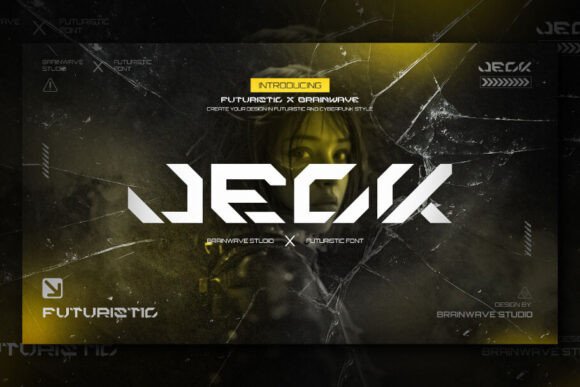
At its core, Jeck is a display typeface, but that simple classification hardly does it justice. Its DNA is woven with strong cyberpunk elements, characterized by sharp, precise letterforms and a modern, sophisticated silhouette. This isn't a font for whispered messages; it’s built for bold declarations. The geometric construction gives it an almost engineered quality, suggesting precision and advanced technology. Yet, within that structure, there's a dynamic energy. The letterforms often feature subtle cuts, angles, or futuristic ligatures that prevent them from feeling sterile. They feel alive, ready to power a brand that operates on the cutting edge. For a designer, this means choosing Jeck is a strategic decision. You're not just selecting a style; you're adopting a visual philosophy that communicates innovation, resilience, and a forward-thinking mindset at a single glance.
Practical Applications: Where Futurism Meets Function
The true test of any creative font is its versatility in the real world. Jeck excels in scenarios where you need to make an immediate, memorable impact. Think of the stark, powerful typography on a sci-fi movie poster or the logo of a cutting-edge tech startup. This is Jeck's natural habitat.
- Branding & Logo Design: For a new software platform, a cybersecurity firm, a gaming studio, or a streetwear brand, a logo set in Jeck instantly establishes a high-tech, edgy identity. Its sharpness ensures legibility at small sizes, like on an app icon, while its character shines at scale on a storefront.
- Digital Presence: Websites and blogs focused on future tech, digital art, or speculative fiction can use Jeck for headlines and key calls-to-action to create a cohesive, immersive atmosphere. On social media, it makes graphics stand out in a crowded feed, perfect for announcements, quotes, or profile banners.
- Physical Products: The applications extend into the tangible world. Imagine sleek, minimalist packaging for a premium headphone brand or a cosmetics line with a futuristic aesthetic. Event posters for music festivals or tech conferences can leverage Jeck’s energy to attract a specific, design-savvy audience. It even works for merchandise like T-shirts, hats, and stickers, where the font itself becomes a graphic element.
- Editorial & Marketing: In print and digital magazines, Jeck can headline articles on innovation or culture. Marketing assets like email headers, digital ads, and presentation decks gain a layer of professionalism and contemporary cool, helping a brand stand apart from competitors using more conventional typography.
Strategic Typography: Building Recognition and Engagement
Using a font like Jeck is a strategic move that goes beyond aesthetics. Consistent use of a distinctive typeface is a cornerstone of strong brand recognition. When your audience sees those sharp, futuristic letters across your website, your social media, and your packaging, they begin to associate that visual signature with your identity. It creates a memorable hook.
Furthermore, a well-chosen font dramatically improves the professional presentation of your work. It signals that you care about details and understand visual communication, which builds trust with your audience. While Jeck is a display font and not meant for long body text, its use in headlines and subheadings can actually improve overall readability by creating a clear visual hierarchy. It guides the reader's eye, making your content more engaging and easier to navigate. The key is to pair it wisely—more on that next.
Making It Work: Practical Tips for Implementation
Integrating a powerful typeface like Jeck into your workflow requires a thoughtful approach. Here’s how to harness its potential effectively:
- Define the Goal First: Before you even install the font, ask: what is the core message of this project? Is it aggressive and disruptive, or sleek and sophisticated? Jeck can lean either way, but your specific application will determine which of its styles you use.
- Master Font Pairing: This is critical. A bold display font needs a counterpart for body copy to ensure readability. Avoid pairing Jeck with another complex or overly decorative font. Instead, opt for a clean, neutral sans-serif like Helvetica, Arial, or a modern grotesque. For a slightly softer touch, a simple, clean serif can also work. The goal is contrast and balance, not competition.
- Explore the Styles: A quality font family like Jeck often comes with multiple weights and styles—regular, bold, condensed, maybe even italic or outlined versions. Don't just use the default. Experiment with a condensed style for tight spaces or a bold weight for maximum impact. This versatility allows you to create visual variety while maintaining a consistent typographic voice.
- Readability is Non-Negotiable: Always test your designs at different sizes and on various devices. A font that looks stunning as a poster headline might become illegible as small website text. Use Jeck where it belongs: in large, impactful applications where its details can be appreciated.
- Understand the License: Before using any premium font for commercial projects—whether it's a client's logo, merchandise for sale, or a paid digital product—always verify the licensing terms. Ensure the license covers your intended use to avoid legal complications down the line.
In the end, typography is one of the most powerful tools in a creator's arsenal. It sets the tone, communicates values, and shapes perception before a single word is read. A typeface like Jeck offers a direct pathway to a specific, compelling world. By using it with intention and strategy, you can build brands, products, and content that don't just look modern, but feel genuinely ahead of their time, capturing the imagination of an audience that values innovation and bold visual storytelling.