Why Pink Polka is the Playful Font Your Brand Needs
Let's be honest: standing out in a crowded digital space feels harder than ever. Your audience scrolls through hundreds of posts, logos, and ads daily. How do you make them stop? How do you inject a dose of genuine personality into your work without sacrificing professionalism? Sometimes, the answer isn't a complex strategy or a massive budget—it's a single, bold design choice. Enter a typeface that doesn't just whisper, but shouts with joy: a fun, bold handwritten font dotted with playful polka dots. It’s contemporary, it’s cool, and it might just be the secret ingredient your next project is missing.
More Than Just a Pretty Face: The Visual Appeal of a Dotted Typeface
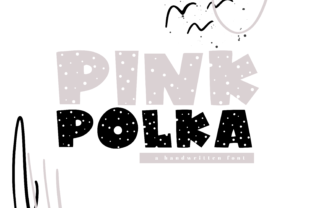
At first glance, a font like this is pure fun. The handwritten base gives it a personal, approachable feel, like a note from a friend. But the polka dots elevate it from casual to captivating. They add texture, rhythm, and a visual pop that solid, clean fonts simply can’t match. This isn't your typical script font or a standard sans serif; it's a display font with a distinct personality. The contemporary coolness comes from this blend—the organic flow of hand-lettering meets the geometric repetition of the dots, creating something that feels both familiar and refreshingly new.
This unique aesthetic makes it a powerful tool for specific design goals. If you're building a brand identity that needs to feel energetic, youthful, optimistic, or whimsical, this typeface communicates that instantly. Think about the brands that resonate with you on an emotional level. Often, their typography plays a huge role. A font with this much character can become a cornerstone of your visual language, making your logo design, packaging, or social media graphics impossible to ignore.
Where Does a Font Like This Shine? Real-World Applications
The key to using a bold display font effectively is matching it to the right context. It’s not for body text, but for moments where you want to make a statement. Here’s where a playful, dotted typeface can truly excel:
- Brand Identity & Logo Design: Perfect for businesses targeting a younger demographic or those in creative, lifestyle, or children's markets. Imagine a boutique bakery, a trendy nail salon, a kids' clothing line, or a mobile app for social planning. The font immediately sets a joyful tone.
- Packaging Design: On a product label, this font can turn a simple package into a shelf standout. It works beautifully for specialty foods, beauty products, party supplies, or any item that benefits from a burst of cheer.
- Social Media & Digital Marketing: In the fast-paced world of Instagram, TikTok, and Pinterest, a scroll-stopping headline is gold. Use it for post titles, quote graphics, story highlights, or sale announcements. It injects personality into your marketing assets and boosts audience engagement.
- Web Design & Blogs: While not for paragraphs, it can be a fantastic accent font. Use it for main blog post titles, newsletter sign-up banners, or hero section headlines to draw the eye and establish a site's unique vibe.
- Print & Merchandise: From birthday party invitations and greeting cards to posters and T-shirt designs, this font brings a handcrafted, celebratory feel. It’s ideal for any print material where you want to evoke happiness and excitement.
- Editorial Layouts & Digital Products: In a magazine spread or a downloadable planner, it can be used for chapter titles or section headers, adding a touch of whimsy to an otherwise structured layout.
Practical Tips for Pairing and Professional Use
A font this expressive demands a thoughtful partner. The goal is balance, not competition. Here’s some practical advice for integrating it smoothly into your projects:
- Pair with a Clean Neutral: Let the dotted font be the star. Pair it with a simple, readable serif or sans serif font for body text. A classic like Helvetica, Lato, or a clean serif like Garamond provides the perfect calm backdrop, ensuring your headlines pop without overwhelming the viewer. This contrast improves overall readability.
- Use Sparingly for Maximum Impact: This is a "less is more" typeface. Overusing it can make a design feel chaotic. Use it for key headlines, logos, or call-to-action phrases. Its strength is in focused bursts.
- Consider the Context: Always test your font pairing in the actual application. A combination that looks great on your design screen might be hard to read on a small mobile device or a printed business card. Reviewing different font weights and styles included in the package can help you find the right balance.
- Licensing Matters: If you're using it for commercial projects—a client's logo, merchandise for sale, or a paid digital product—ensure you have the correct commercial font license. This protects you legally and supports the type designer's work. It’s a small but crucial step in professional presentation.
Ultimately, choosing a font like this is about embracing a specific mood. It’s for projects that aren’t afraid to be bold, to be playful, and to connect with an audience on a more emotional level. It’s a design asset that can help achieve visual consistency around a core personality—whether that personality is fun, retro, or avant-garde. By applying it thoughtfully, you can transform a standard project into a memorable one, building stronger brand recognition and creating a deeper connection with the people you want to reach. So, if your next design feels like it needs a spark of contemporary coolness, consider letting a dotted, handwritten typeface lead the way.